A Brilliant Scientific Breakthrough: How New Duke Research Helps the Immune System Find and Destroy Hidden Cancer and Viruses
Science has taken a massive leap forward in the fight against some of the most dangerous diseases in the world. Brilliant researchers at Duke University have successfully created a specialized antibody that can uncover hidden threats inside the human body. This medical advancement could completely change the way we treat difficult conditions like cancer and severe viral infections.
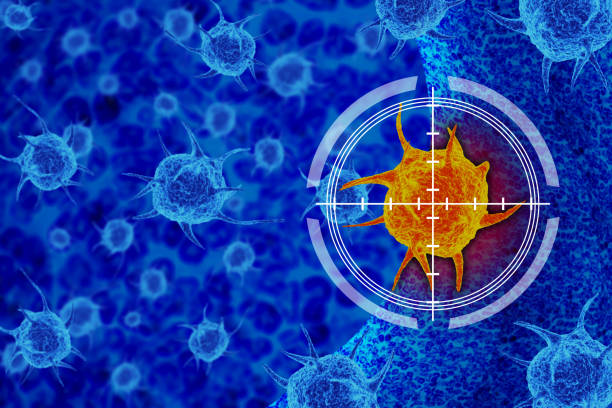
For a long time, doctors have struggled to treat certain types of illnesses because the bad cells know how to hide. Tumor cells and virus-infected cells are incredibly clever at staying invisible to our natural defenses. However, this newly engineered tool acts like a powerful flashlight, shining a bright light directly on the cells that are trying to stay in the dark.
If you love hearing about incredible breakthroughs like this one, you should join our community to stay connected with uplifting stories. You can join our Telegram channel to stay updated on more positive news globally with a community of people who care about progress. To ensure you never miss these life-changing updates, you can also join our Telegram channel for more Positive News weekly delivered straight to your device.
The human immune system is already an amazing defensive network that works around the clock to keep us healthy. It relies on special white blood cells, such as Natural Killer cells and T cells, to patrol the body and eliminate dangers. These cellular soldiers are highly trained to spot anything that looks abnormal or harmful to our health.
When everything goes right, these immune cells quickly locate a threat and destroy it before it can cause serious damage. Unfortunately, serious diseases have evolved advanced survival tactics over millions of years. They learn how to trick the body into thinking that they belong there, which allows them to grow completely undisturbed.
One of the most effective tricks used by these bad cells involves a specific molecule known as HLA-E. Under normal circumstances, this molecule is a helpful part of a healthy body. It sits on the surface of your normal, everyday cells and acts like an identification badge.
This identification badge sends a clear signal to passing immune cells that says everything is fine. When a Natural Killer cell encounters a normal cell with this badge, it reads the signal and leaves the cell alone. It is a necessary safety feature that prevents your immune system from accidentally attacking your own healthy tissue.
Regrettably, both cancer cells and cells that are infected with specific viruses have figured out how to abuse this safety feature. They start producing massive amounts of the HLA-E molecule on their own surfaces. By doing this, they mimic healthy tissue perfectly, effectively wearing a biological invisibility cloak.
When the immune system tries to inspect a growing tumor, it sees a massive wall of these deceptive identification badges. The immune cells get confused by the false signals and choose to walk away instead of fighting. This allows the tumor to build its own network, expand, and spread throughout the body without any resistance.
The exact same cloaking mechanism happens when dangerous viruses take over human cells. The virus forces the host cell to show excessive amounts of the protective molecule. Because of this trick, the infected cells can quietly manufacture thousands of new virus particles without drawing any attention to themselves.
This is exactly where the incredible team at Duke University stepped in to solve the mystery. The researchers recognized that if they could strip away this fake protection, the immune system would do the rest of the hard work. They focused their efforts on designing a tool that could specifically target this exact vulnerability.
The team was led by talented scientists including Mihai Azoitei (https://www.google.com/search?kgmid=%2Fg%2F11jydmq8by&q=Mihai+Azoitei),
Barton Haynes (https://www.google.com/search?kgmid=%2Fm%2F07k40lc&q=Barton+Haynes),
and Joyce Hwang (https://www.google.com/search?kgmid=%2Fg%2F11tnwx7fr3&q=Joyce+Hwang).
Together with their colleagues, they spent countless hours engineering a monoclonal antibody in the lab. This special protein is specifically shaped to bind tightly to the deceptive molecules on the diseased cells.
When this new antibody is introduced, it rushes through the system and attaches itself directly to the HLA-E molecules. By locking onto them, the antibody blocks the bad cells from sending out their fake safety signals. It completely neutralizes the invisibility cloak, making the hidden danger instantly visible to the body.
Even better, the antibody does not just unmask the bad cells; it also acts as a homing beacon. Once it attaches to a tumor or an infected cell, it waves a flag to attract immediate attention from the immune system. It invites Natural Killer cells and cytotoxic T cells to come over and complete their original mission.
The results of their study were recently published in a respected scientific journal called Science Translational Medicine. In their laboratory models, the researchers demonstrated that this experimental approach was highly effective.
The engineered antibodies successfully triggered a powerful wave of immune responses that led to the destruction of the problematic cells.
This discovery is a major victory for the field of cancer immunotherapy, which is a type of treatment that helps your own body fight cancer. Many existing cancer treatments rely on harsh chemicals or radiation to destroy tumors, which can cause heavy side effects. Immunotherapy aims to be much gentler on the rest of the body by simply activating your natural defenses.
By utilizing this new antibody, doctors might soon be able to treat a wide variety of cancers more effectively. Because many different types of tumors use the exact same hiding trick, this single antibody could work against multiple forms of the disease. This gives it the potential to become a versatile weapon in modern medicine.
In addition to fighting tumors, this breakthrough offers massive hope for treating chronic viral infections. The Duke University researchers specifically tested the antibody against human immunodeficiency virus, which is commonly known as HIV. HIV is famous for its ability to hide inside human cells for years, making it incredibly difficult to cure completely.
During their tests, the scientists discovered that cells infected with HIV express the exact target that this antibody looks for. When the antibody was applied, it successfully guided Natural Killer cells to eliminate the infected units. This could open up a completely new pathway for developing a functional cure for a virus that affects millions of people globally.
The beauty of this scientific achievement lies in its universal design. Because the molecule they are targeting is virtually identical across different human beings, this therapy could potentially help almost anyone. It avoids many of the complex hurdles that come with personalized medical treatments that only work for specific genetic profiles.
Of course, because this is an experimental approach, there are still several steps left before it becomes a standard treatment in hospitals. The research team must continue testing the antibody to ensure it is completely safe for human use over long periods. They will need to run detailed clinical trials to confirm that it targets the bad cells without harming true healthy tissue.
The initial data looks incredibly promising, and the scientific community is buzzing with excitement over these findings. It serves as a powerful reminder of what human ingenuity can accomplish when brilliant minds collaborate to solve global health crises. Every small step forward in a laboratory brings us closer to a future where major diseases are no longer feared.
Staying informed about these positive developments can give us a much brighter outlook on the future of our world. It is easy to feel overwhelmed by negative headlines, but incredible progress is happening every single day in fields like medicine, technology, and conservation. Taking the time to read about these breakthroughs reminds us of the endless potential of human innovation.
We look forward to following the journey of these Duke University researchers as they advance their work into the next stages of development. Their dedication to uncovering the secrets of the immune system is a gift to global health. It shows that with patience, creativity, and hard work, even the most invisible threats can eventually be found and conquered.
Thank you for reading this optimistic update on Solace News, where we always focus on the good things happening across our planet. We will continue to bring you the most inspiring stories about science, humanity, and global progress as they unfold. Keep your head high, stay curious, and remember that there is always a reason to be hopeful about tomorrow.
You can read more about the official study details and review the data provided by the university by visiting the main source page.
Source: Duke University Medical School Newshttps://medschool.duke.edu/news/new-experimental-approach-could-help-immune-system-attack-both-viral-infection-and-cancer
Leave a Reply